Aligning Portable Device Rhythms with Live Table Rewards on British Gaming Platforms
Written by Nils Schulz · Aug 3, 2026
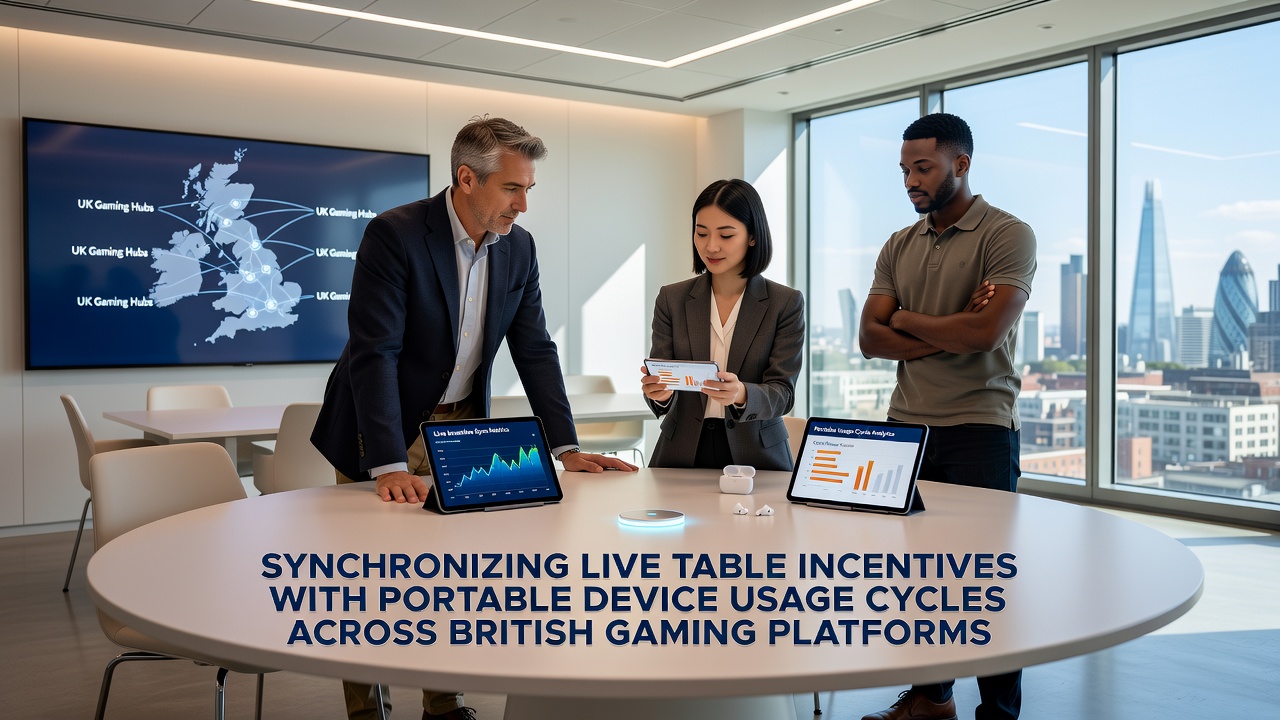
Aligning Portable Device Rhythms with Live Table Rewards on British Gaming Platforms
Device usage cycles across British gaming platforms follow predictable patterns that operators track through aggregated session data, and live table incentives now adjust in real time to match those rhythms. Operators collect anonymized metrics on peak login times, session durations, and device types to time promotions such as deposit matches or cashback offers that activate during high-engagement windows for live dealer tables.
Understanding Usage Cycle Data
Portable device patterns reveal consistent peaks during evening commutes and weekend afternoons, while shorter midday sessions occur on tablets and phones alike. Research from the European Gaming and Betting Association indicates that mobile sessions average 18 minutes when users engage with live roulette or blackjack, compared with longer desktop interactions. Platforms therefore program incentive triggers to launch within the first five minutes of detected mobile logins, and these triggers scale reward values based on prior cycle history for each user segment.
August 2026 brought updated reporting standards from several operators that require disclosure of incentive synchronization methods, and those reports show increased alignment between live table bonus activation and detected device battery levels or network stability. Such adjustments help maintain uninterrupted play during live streams, because unstable connections often end sessions prematurely.
Technical Synchronization Methods
Developers integrate application programming interfaces that pull live usage telemetry directly from operating systems on iOS and Android devices, then feed those signals into backend reward engines. The engines apply rules that boost free bet amounts when session length exceeds the user's historical average by 20 percent, and they reduce offer visibility during low-engagement periods such as early mornings. Observers note that these systems rely on machine learning models trained on millions of anonymized sessions across major British platforms.
Case Examples from Platform Implementations
One major operator introduced cycle-based live dealer reload bonuses that activate automatically when a user switches from Wi-Fi to mobile data mid-session, and this feature has maintained consistent participation rates according to internal metrics shared with industry analysts. Another platform tested timed incentives tied to device screen-time reports, delivering extra live table chips during detected breaks in longer usage cycles. Data from these tests, published in partnership with teh University of Sydney's Gambling Research Centre, showed that reward timing correlated with a measurable uptick in table retention without altering overall spend patterns.

Regulatory Context and Cross-Region Comparisons
British platforms must still comply with existing consumer protection frameworks while implementing these synchronization tools, and similar approaches appear in regulated markets such as those overseen by the Malta Gaming Authority. Canadian provincial regulators have examined parallel systems for aligning mobile incentives with usage data, and their published guidelines emphasize transparent communication of how device metrics influence reward delivery. Australian research published by the Australian Gambling Research Centre further demonstrates that synchronized offers can extend session continuity when matched to natural device downtime intervals.
Operators report that cross-platform consistency remains a priority, because users frequently move between phones, tablets, and hybrid devices during a single live table session. Synchronization engines therefore maintain unified user profiles that update incentive status across all linked devices in under two seconds.
Future Developments Expected in 2026 and Beyond
Industry reports forecast expanded use of on-device sensors to refine cycle detection, including accelerometer data that identifies when users are stationary versus in motion. These refinements aim to deliver live table incentives only during moments of stable attention, and preliminary models already show reduced interruption rates. Trade groups such as the American Gaming Association have begun sharing anonymized benchmark data on synchronization effectiveness with European counterparts to support best-practice development.
Conclusion
British gaming platforms continue to refine the technical and regulatory balance required for synchronizing live table incentives with portable device usage cycles. Aggregated data from multiple sources demonstrates measurable alignment between reward timing and session patterns, while ongoing collaborations with international research bodies provide additional benchmarks. The approach relies on active monitoring of device signals, rule-based reward engines, and transparent reporting standards that evolve with each reporting period.