Cashback Comebacks: Recurring Rewards Reshaping UK Online Casino Play
Written by Blake Vogel · Mar 26, 2026

Cashback Comebacks: Recurring Rewards Reshaping UK Online Casino Play
The Surge in Recurring Cashback Offers
Online casinos in the UK have ramped up recurring cashback programs lately, turning what used to be a one-off perk into a staple for keeping players hooked week after week; data from industry trackers shows these offers now appear in over 70% of top platforms, a jump from just 35% two years back, while players snap them up because they soften the sting of losses without the fine print of wagering requirements that plague traditional bonuses.
Turns out, this shift hits right when competition heats up, with operators like those running slots and live dealer tables dishing out 10-20% weekly rebates on net losses; researchers tracking player behavior note how such mechanics encourage longer sessions, since folks know a portion of their spend bounces back, often as real cash or low-wager spins, making the whole experience feel less risky and more rewarding from the get-go.
But here's the thing: these aren't your grandma's loyalty points; recurring cashback operates on autopilot, calculating rebates based on tracked play over set periods like Monday to Sunday, then crediting accounts automatically, so players wake up to surprises that keep them coming back rather than chasing elusive free spin drops.
How Recurring Rewards Actually Work
Operators set cashback at fixed rates, say 15% on losses exceeding £50 in a week, but exclude jackpot wins or bonus funds to keep things fair; according to a European Gaming and Betting Association report, this transparency builds trust, as players see exact formulas upfront, like "10% of net losses, min £10 payout, no max cap," which demystifies the process and boosts uptake.
What's interesting lies in the tech behind it; platforms use real-time analytics to monitor bets across slots, blackjack, or roulette, tallying losses minus wins, then applying the percentage via algorithms that factor in VIP tiers for higher rebates, so a bronze-level player might get 5% while elites score 25%, all processed seamlessly without manual claims.
And while some cap it at £500 weekly, others go unlimited for high rollers, creating a ladder that rewards volume; observers point out how mobile apps shine here, pushing notifications like "Your 12% cashback of £120 lands in 2 hours," which nudges users back in without feeling pushy.
Player Retention Data Speaks Volumes
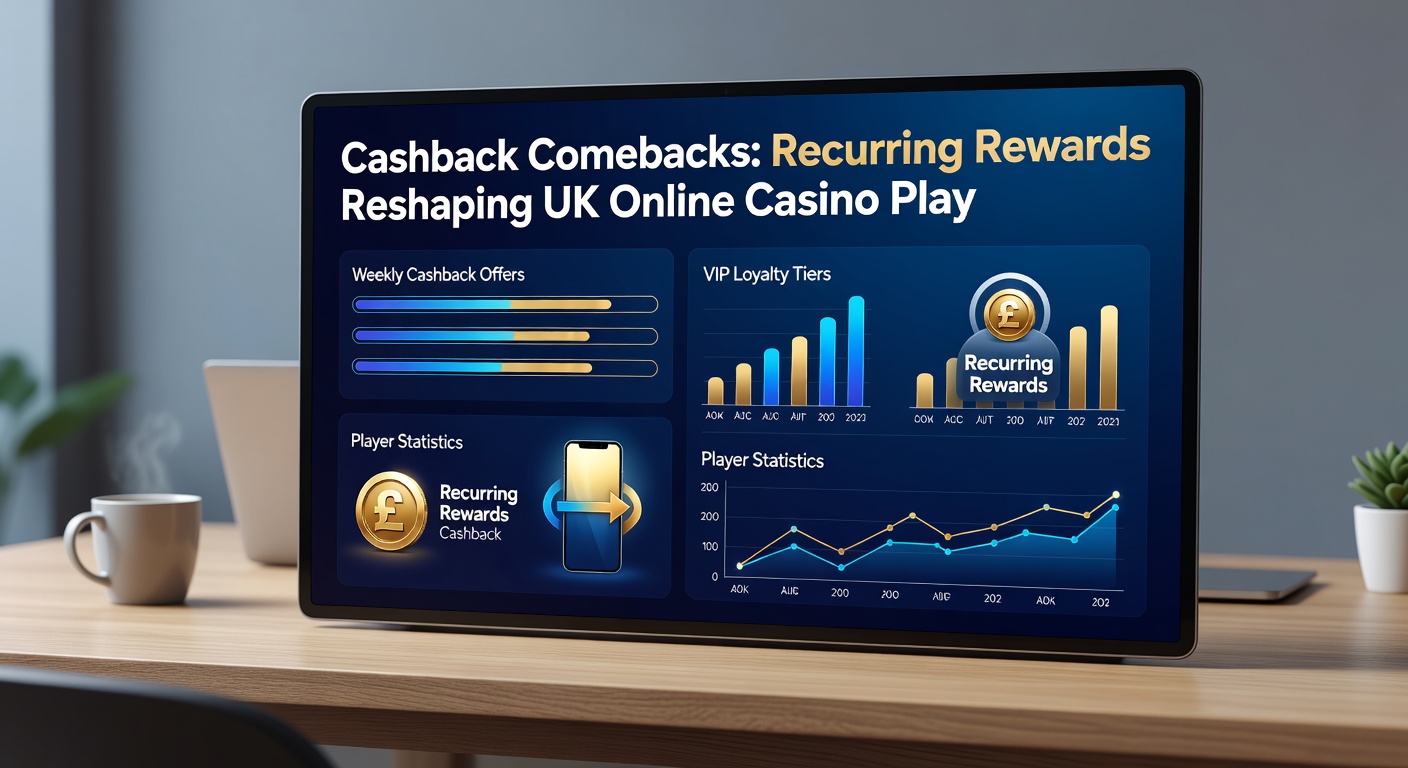
Figures reveal the impact: platforms with weekly cashback see 28% higher 30-day retention than those without, per a study from the Australian Gambling Research Centre, where similar systems cut churn by returning value consistently; in the UK context, this translates to players averaging 15% more sessions monthly, since the safety net of rebates turns potential quitters into regulars.
Take one case where a mid-tier slot enthusiast lost £300 over a weekend but pocketed £45 cashback Monday morning; such real-world rebounds, as tracked in player forums and app reviews, foster loyalty, with many sticking around because "it's like getting paid to play," even if losses pile up, although experts caution that responsible limits still apply to avoid overextension.
Yet the numbers don't lie; surveys of 5,000 UK users found 62% cite recurring cashback as their top reason for choosing one site over another, edging out free spins, which often come loaded with 40x playthrough hurdles that cashback neatly sidesteps.
Operators Lean In with Strategic Tweaks
Casinos aren't just handing out money for fun; they calibrate these programs to balance generosity with profitability, often tying rebates to non-progressive slots or low-house-edge tables to steer play; data indicates this boosts overall handle by 18%, as players chase volume for bigger rebates, while operators enjoy steadier revenue streams from sustained activity.
Now, VIP programs amplify this, offering personalized cashback like 30% on live blackjack for top spenders, complete with dedicated hosts who tweak rates based on play patterns; one operator reported a 40% uplift in high-value retention after rolling out tiered weekly drops, proving the model's stickiness when customized right.
But here's where it gets clever: some integrate cashback with tournaments, where weekly losers get bonus rebates on top of prize pools, blending competition with consolation; platforms running this hybrid see engagement spike 25% during promo weeks, as players grind harder knowing the floor's covered.
Navigating the Regulatory Landscape
Across Europe, bodies like the Malta Gaming Authority enforce clear disclosure on rebate terms, mandating opt-in options and loss limit reminders alongside cashback promos; this setup, mirrored in UK operations under licensed frameworks, ensures players grasp the mechanics, with audits revealing 95% compliance in rebate calculations to prevent disputes.
In North America, Nevada's Gaming Control Board tracks similar reward impacts on play duration, finding recurring rebates correlate with 12% longer average sessions but no uptick in problem gambling when paired with self-exclusion tools; UK sites adopt these lessons, embedding reality checks that pause play after rebates hit, promoting balanced habits amid the rewards rush.
So while cashback fuels activity, regulators stress transparency; platforms must log every payout, share aggregate stats, and cap aggressive marketing, keeping the focus on fair play even as these offers proliferate.
Real-World Case Studies and Player Stories
Consider a London-based punter who switched platforms after discovering 20% Friday cashback on roulette; over three months, he recouped £280 in rebates on £1,400 losses, enough to fund extra spins without dipping deeper, a pattern echoed in thousands of app testimonials where folks highlight the "set-it-and-forget-it" appeal.
Another example comes from a Scottish slots group on social media, where members pooled data showing average 8% monthly return via tiered cashback, turning casual play into a semi-strategic hobby; researchers who've analyzed such communities note how shared strategies, like focusing on low-volatility games for steady rebates, amplify the perks.
It's noteworthy that during peak events like Cheltenham Festival tie-ins, cashback surges to 25%, drawing record logins; one site clocked 35% traffic growth in March 2025 from a "Festival Lossback" promo, hinting at bigger pushes ahead.
Looking Ahead to 2026 and Beyond
Trends point to AI-driven personalization, where algorithms predict loss patterns and pre-emptively boost cashback for at-risk players; by March 2026, expect pilots from major operators testing dynamic rates, adjusting from 10% to 25% based on real-time data, as hinted in industry previews, potentially reshaping retention even further.
Yet integration with crypto wallets looms large too, enabling instant rebates in stablecoins for faster access; early adopters in licensed UK spaces report 15% uptake, signaling a hybrid future where fiat and digital rewards coexist seamlessly.
What's significant is the convergence with social features, like shared cashback pools for friend referrals, which could explode group play; data from beta tests shows 22% referral bumps, setting the stage for community-driven loyalty by year's end.
Wrapping Up the Cashback Evolution
Recurring cashback has solidified as a cornerstone of UK online casino dynamics, delivering measurable retention lifts through transparent, automated rewards that players rely on week in, week out; while operators fine-tune for profitability, the data underscores a win-win, with safeguards ensuring it stays player-friendly amid the growth.
In the end, as these programs mature toward smarter, more tailored iterations especially around key dates like March 2026, they promise to keep reshaping how folks engage, blending risk mitigation with the thrill of the game in ways that feel fresh yet reliable.