Dashboard Analytics Pinpoint Prime Windows for Table Promo Redemptions via Mobile Notifications at Licensed Venues
Written by Blake Vogel · Aug 13, 2026
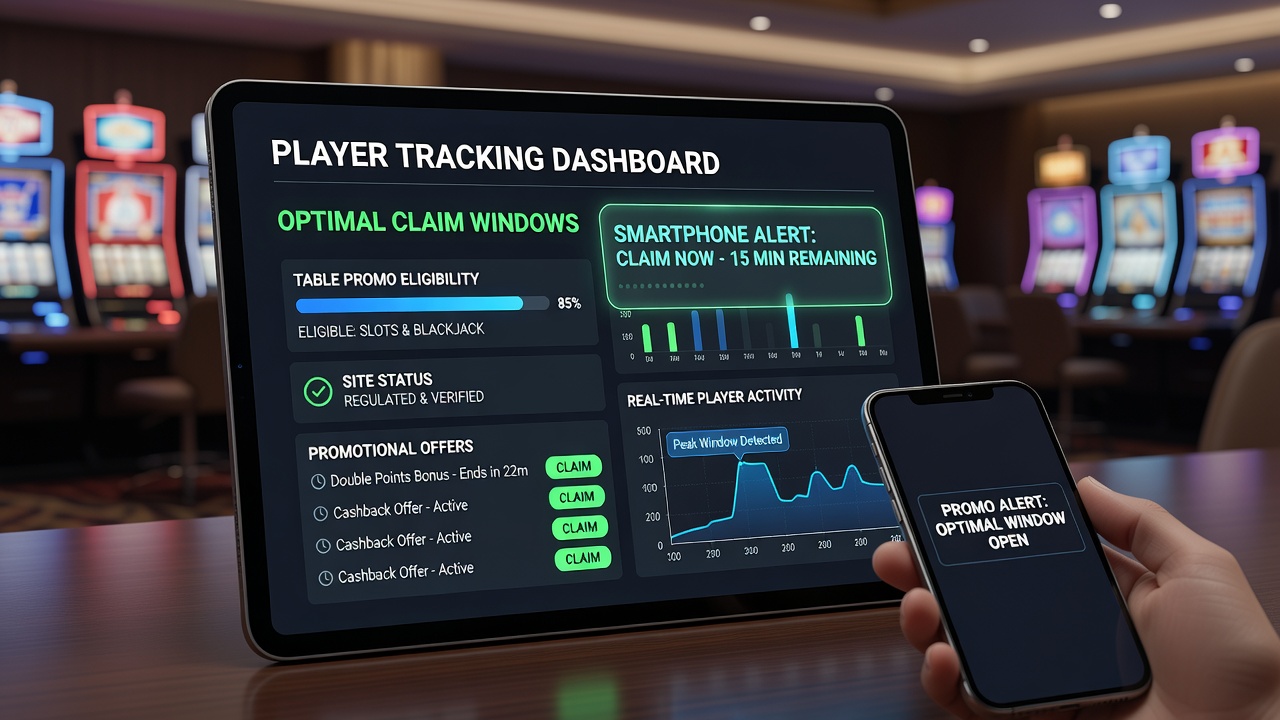
Dashboard Analytics Pinpoint Prime Windows for Table Promo Redemptions via Mobile Notifications at Licensed Venues
Player tracking dashboards integrate real-time data from regulated gaming platforms to identify peak periods when table-based promotional offers become available for redemption, and smartphone alerts deliver these notifications directly to users at approved sites. Systems monitor player activity metrics such as session duration, wager patterns, and game selection, then cross-reference this information against scheduled promotion calendars maintained by operators. According to records from the Alcohol and Gaming Commission of Ontario, these tools emerged as standard features across multiple jurisdictions by early 2025, with expanded rollout continuing into August 2026 when several platforms introduced enhanced alert customization options tied to table game participation.
Operators configure the dashboards to flag specific time slots, often during off-peak hours or immediately following high-traffic events, where table promotions carry higher redemption value or lower competition thresholds. The technology aggregates historical data points including average bet sizes and frequency of table game engagement, allowing algorithms to forecast windows that maximize player eligibility without violating house rules. Research from the University of Nevada, Las Vegas gaming studies group indicates that such predictive modeling reduces missed opportunities by aligning alerts with individual behavioral profiles rather than generic broadcast schedules.
Core Components of Tracking Systems
Modern dashboards combine backend analytics engines with front-end mobile interfaces, pulling live feeds from casino management systems that log every table game transaction. Key elements include session heat maps, which visualize activity density across different table variants, and threshold triggers that activate when cumulative play meets predefined criteria for a given promotion tier. Smartphone integration relies on push notification protocols compliant with data protection standards in each regulated market, ensuring alerts arrive within seconds of a window opening. Observers note that integration with geolocation services further restricts notifications to verified users within approved jurisdictions, preventing unauthorized access attempts.
Table-based offers typically encompass matched play credits, extended session bonuses, or tiered point multipliers tied to games like blackjack, roulette, or poker variants. Dashboards distinguish these from slot-focused promotions by filtering datasets to exclude reel-based metrics, focusing instead on card and wheel outcomes. In August 2026 several licensed operators updated their protocols to include dynamic window adjustments based on real-time table occupancy rates, a change documented in compliance filings submitted to oversight bodies in multiple regions.
Alert Delivery and Player Engagement Patterns
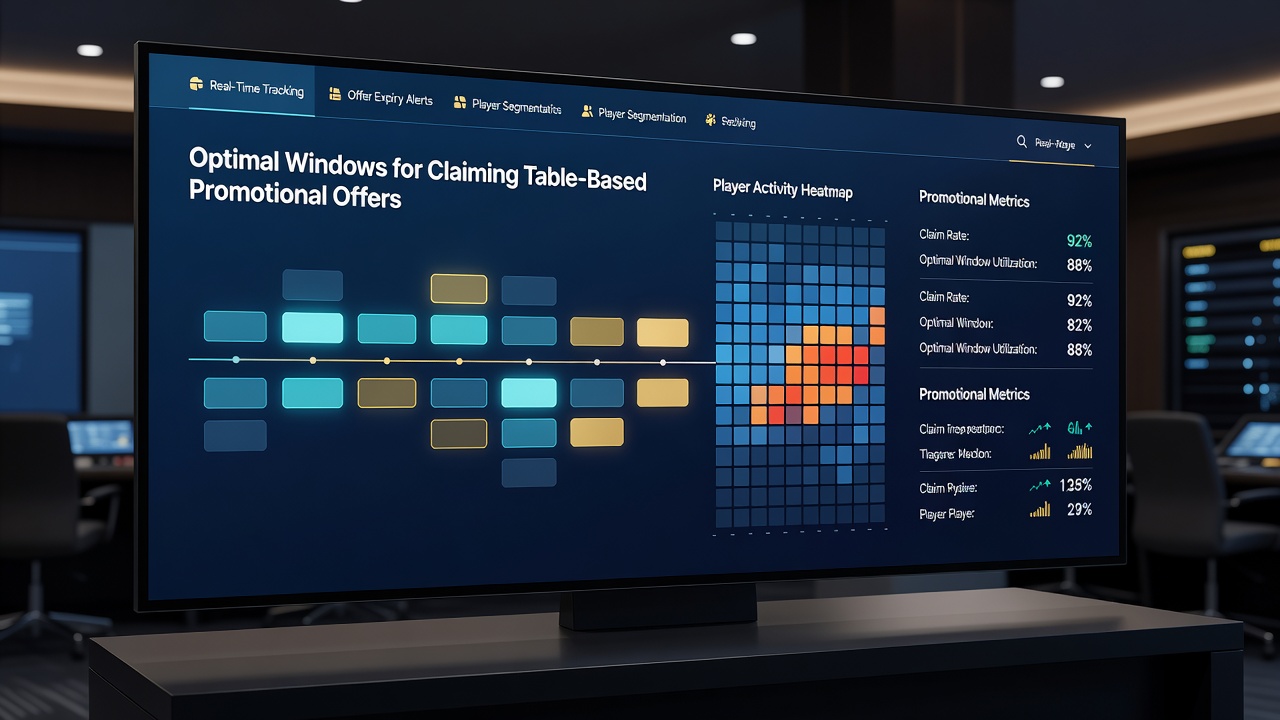
Smartphone alerts function through dedicated casino applications that sync with the central dashboard, displaying concise messages about available offers along with direct links to the relevant table lobby. Delivery timing accounts for user time zone settings and device activity status to avoid notification fatigue, with options for users to set preference filters for specific game types or minimum offer values. Data compiled by the Victorian Responsible Gambling Foundation shows that targeted alerts correlate with increased session continuity among table game participants, as players receive reminders precisely when eligibility peaks rather than during random intervals.
Operators maintain audit logs of every alert sent and redeemed, supporting regulatory requirements for transparency in promotional distribution. These logs reveal patterns such as higher engagement rates during weekday afternoons compared with weekend evenings, prompting some sites to calibrate dashboard parameters accordingly. Players receive confirmation receipts upon successful claims, which the system archives for account reconciliation and responsible gaming reviews.
Regulatory Compliance and Technical Standards
Regulated sites must adhere to technical standards set by regional authorities that mandate clear disclosure of promotion terms within each alert and dashboard display. Encryption protocols protect player data during transmission between servers and mobile devices, while access controls limit dashboard visibility to authorized staff. In jurisdictions outside the UK, such as those overseen by the Alcohol and Gaming Commission of Ontario, operators undergo periodic audits to verify that tracking systems do not inadvertently favor certain player segments over others. August 2026 saw the introduction of new API guidelines in select Canadian provinces that standardized data exchange formats between tracking dashboards and third-party alert services.
Industry reports from the American Gaming Association highlight ongoing refinements to these platforms, including machine learning modules that refine window predictions based on aggregated anonymized datasets. These advancements allow for more precise segmentation, ensuring that table promotion alerts reach users whose historical activity aligns with the offer parameters without over-notification.
Conclusion
Player tracking dashboards and smartphone alert systems continue to evolve as tools that synchronize promotional availability with individual player patterns at regulated table game environments. Implementation details from August 2026 onward demonstrate continued emphasis on compliance, data accuracy, and user-controlled notification preferences across licensed operators. Further developments in analytics integration are expected to maintain alignment with evolving regulatory frameworks in various international markets.