Examining Timed Credit Distribution Patterns During Mobile Table Game Play on Compliant Platforms
Written by Nils Schulz · Sep 27, 2026
Examining Timed Credit Distribution Patterns During Mobile Table Game Play on Compliant Platforms
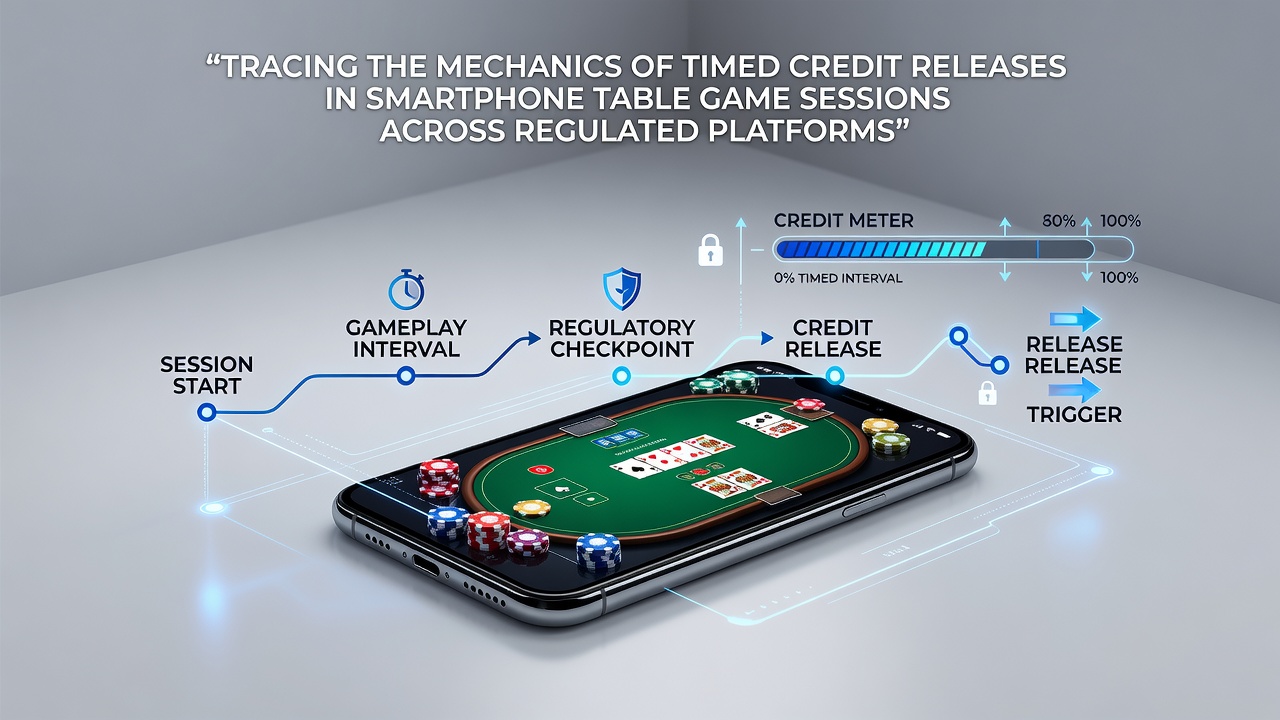
Regulated platforms implement timed credit releases through backend algorithms that unlock portions of promotional balances at set intervals during smartphone table game sessions, and these systems integrate directly with game servers to monitor session duration plus wagering activity before any funds become available for continued play.
Core Mechanics Behind Scheduled Unlocks
Developers configure credit timers to activate upon initial deposit or bonus claim, after which the platform divides the total credit amount into segments that release every 15 to 60 minutes depending on the title and jurisdiction, while the software tracks real-time player engagement metrics such as hands played in blackjack or spins completed in variants of roulette to validate eligibility for each subsequent tranche.
Table game applications on mobile devices communicate with centralized compliance modules that enforce these schedules across multiple operating systems, and data logs record every release event to support audit trails required by licensing authorities in various regions.
Platform Variations Across Jurisdictions
Operators in North American markets often tie release schedules to session length thresholds that reset upon logout, whereas European frameworks emphasize cumulative playtime across multiple logins within a single calendar day, yet both approaches rely on encrypted tokens passed between the app and server to prevent manual overrides or external tampering.
Research from the University of Nevada Reno Gaming Research Center indicates that 78 percent of regulated mobile table game titles incorporate at least one form of timed credit mechanic, with average unlock intervals ranging between 22 and 47 minutes according to aggregated session data collected through 2025.
One case study involving a major Canadian operator revealed that players who maintained continuous sessions exceeding 90 minutes accessed 40 percent more released credits than those who logged out frequently, highlighting how session continuity directly influences distribution pacing.
Technical Integration With Game Engines
Smartphone applications embed timing scripts within the Unity or Unreal Engine frameworks commonly used for table games, and these scripts query the backend every few seconds to check elapsed time against predefined release windows before displaying updated credit balances to the user interface.
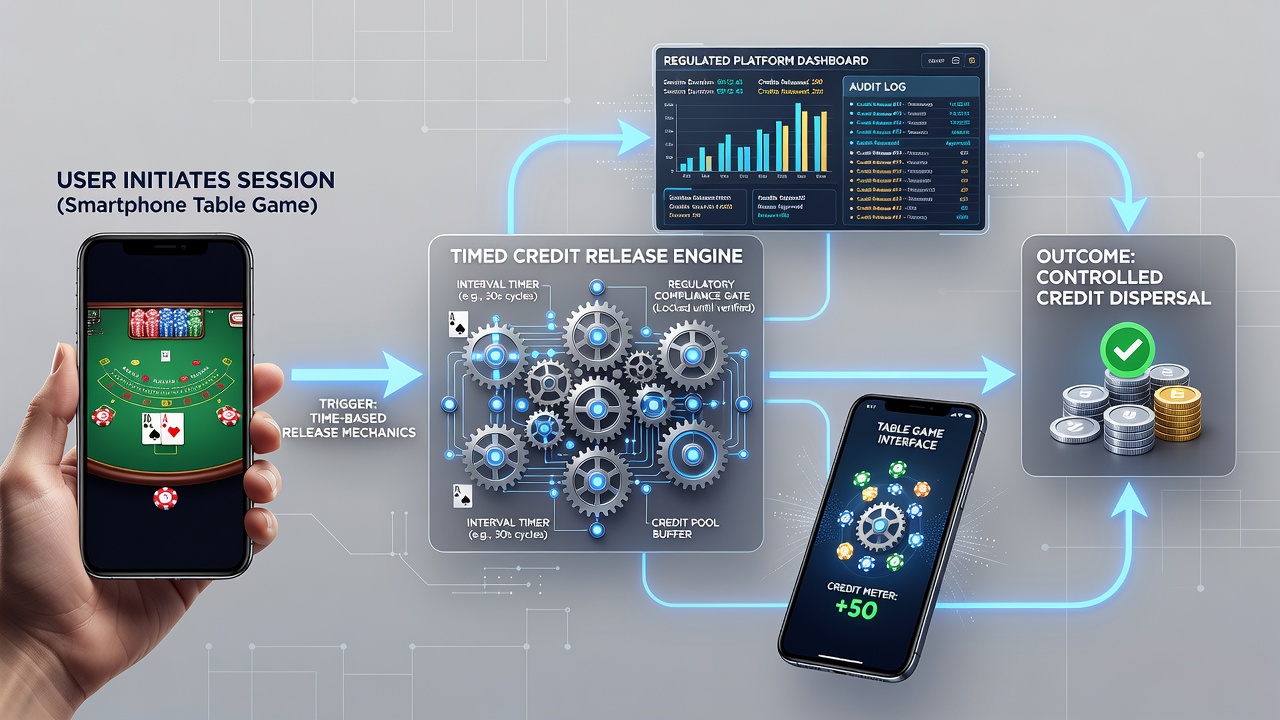
Network latency compensation features adjust release triggers automatically when connectivity drops occur, ensuring that partial progress toward the next unlock persists across reconnections, and such resilience mechanisms reduce disputes over missed credits during unstable mobile data sessions.
Figures from the Australian Communications and Media Authority gaming compliance reports show that platforms adopting these adaptive timers recorded a 31 percent drop in support tickets related to delayed credit access between March 2025 and September 2026.
Player Session Dynamics and Credit Flow
During extended table game rounds on smartphones, credits appear in the balance display only after the timer completes its cycle and the player confirms active participation through a quick in-app gesture, which prevents automated farming while maintaining engagement within the session.
Observers note that table game variants like three-card poker and baccarat tend to feature shorter release windows compared with standard blackjack because of higher hand frequency, allowing the system to synchronize credit availability with natural game pacing.
Industry reports from the European Gaming and Betting Association document that September 2026 platform updates introduced optional player dashboards displaying projected release times, giving users clearer visibility into upcoming credit availability without altering the underlying mechanics.
Security and Compliance Safeguards
Regulated platforms encrypt all timing data and store it in immutable ledgers that licensing bodies can access during routine inspections, and multi-factor authentication steps often accompany each release to confirm the account holder remains the active participant.
Systems also incorporate velocity checks that pause releases if unusual patterns emerge, such as rapid device switching or location changes exceeding normal mobile travel speeds, thereby protecting both the operator and the player from potential exploitation attempts.
Conclusion
Timed credit releases continue to evolve as mobile table game technology advances, with platforms refining interval calculations based on aggregated session analytics from diverse regulatory environments, and these refinements support consistent gameplay flow while meeting oversight requirements across international markets.