How Algorithms Allocate Rewards in Mobile Live Casino Environments
Written by Drew Russell · Aug 24, 2026
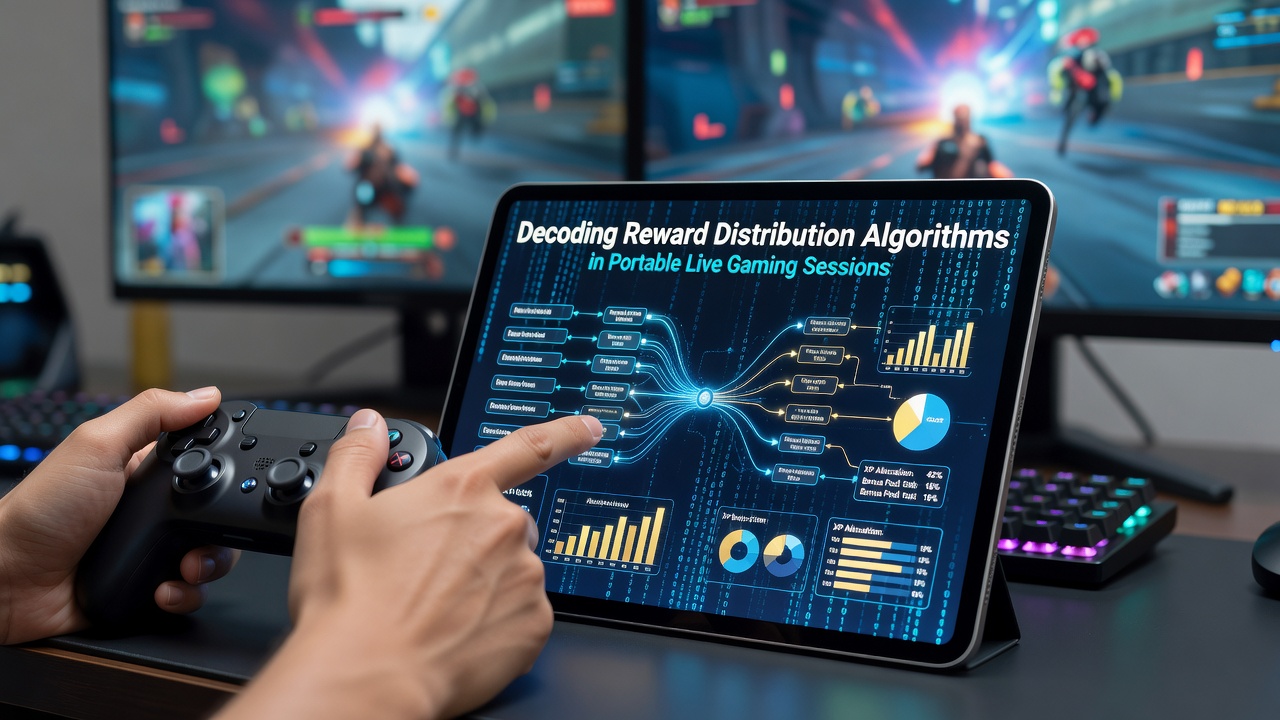
How Algorithms Allocate Rewards in Mobile Live Casino Environments
Portable live gaming sessions rely on complex reward distribution algorithms that process real-time player data to determine bonuses, loyalty points, and promotional credits during active play on smartphones and tablets. These systems track metrics such as session duration, bet frequency, game type selection, and interaction patterns with live dealers, then apply weighted calculations to allocate rewards without manual intervention. Data from device sensors and network connections further refines the outputs to match mobile usage habits.
Core Components of Reward Algorithms
At the foundation sit random number generators combined with player segmentation models that categorize users based on historical activity levels and deposit patterns. The algorithms evaluate live session variables including average wager size, consecutive wins or losses, and time spent at specific tables before triggering scaled rewards. Researchers at academic institutions have documented how these models adjust dynamically to maintain engagement across different device types and connection speeds.
Session portability introduces additional layers because algorithms must account for interruptions from network switches or app backgrounding, resuming calculations seamlessly when play resumes. This requires continuous data synchronization between the mobile client and central servers to prevent reward miscalculations during transitions.
Data Inputs Specific to Live Dealer Mobile Play
Live dealer environments feed unique inputs into the reward systems, such as chat interactions, camera angle selections, and participation in side bets that standard slot algorithms overlook. Mobile sessions generate granular logs of touch gestures and screen orientation changes that correlate with player attention levels, allowing the algorithms to prioritize rewards for users who maintain longer active viewing periods. Industry reports from organizations like the International Center for Gaming Regulation indicate these inputs help balance reward frequency across thousands of concurrent portable connections.
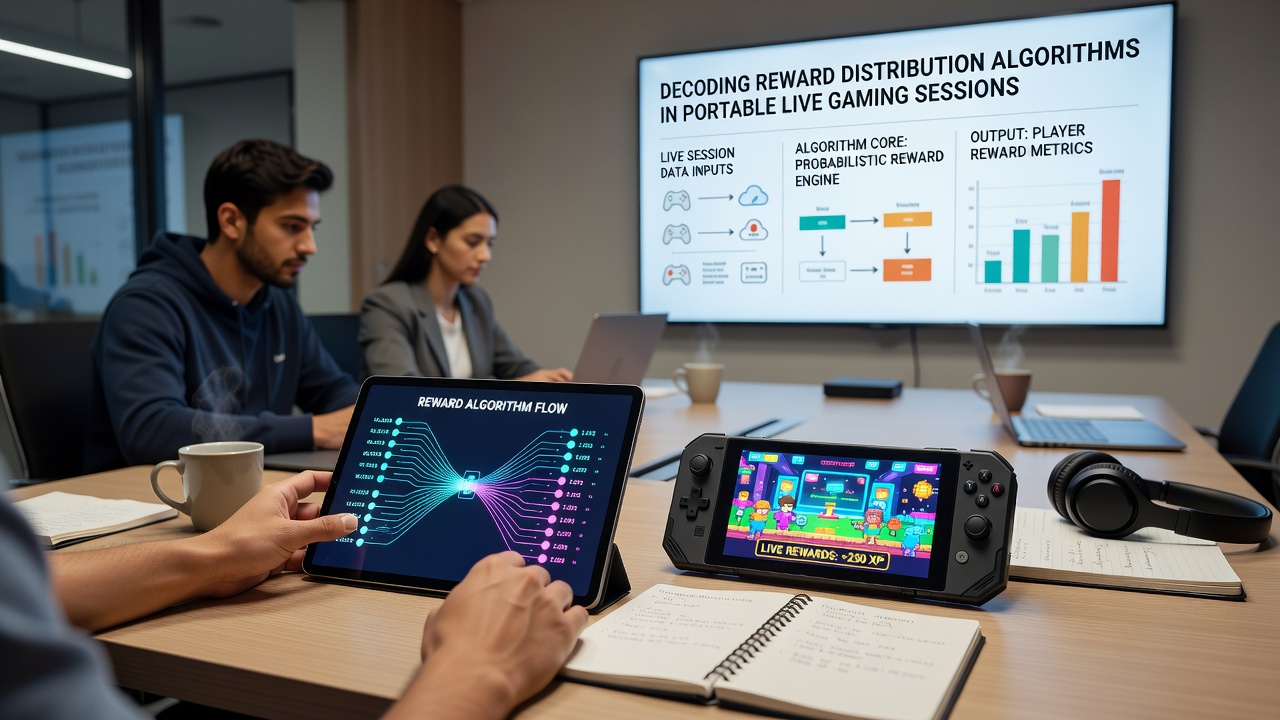
Geolocation data and device performance metrics also factor into distribution logic, with algorithms sometimes favoring players in stable network environments to reduce technical friction during live streams. Observers note that August 2026 updates to certain platforms incorporated enhanced privacy-compliant location handling while preserving the accuracy of regional reward targeting.
Distribution Models and Trigger Mechanisms
Progressive reward tiers emerge when algorithms accumulate points across multiple short mobile sessions rather than single extended plays, creating pathways for users who engage in brief daily interactions. Threshold-based triggers activate cashback or free spin allocations once cumulative live dealer exposure reaches predefined volumes, calculated through rolling windows that reset at midnight server time. Case studies from platform operators show these models reduce reward clustering during peak evening hours by spreading allocations across staggered time zones.
Multi-variable scoring systems combine live game outcomes with behavioral signals to personalize reward values, assigning higher multipliers to sessions featuring consistent low-variance betting. External analysis from the University of Nevada, Reno's gaming research division highlights how such scoring prevents over-distribution to high-frequency mobile users while sustaining participation from occasional players.
Technical Challenges in Portable Settings
Latency variations across mobile networks demand lightweight algorithm versions that run partially on-device before syncing final tallies to central databases. Security protocols encrypt these partial calculations to prevent tampering, and any discrepancies trigger manual review flags. Platforms have addressed battery drain concerns by optimizing computation cycles, limiting intensive reward recalculations to periods when devices connect to Wi-Fi rather than cellular data.
Conclusion
Reward distribution algorithms in portable live gaming continue to evolve through integration of additional sensor data and refined segmentation techniques. Regulatory frameworks outside the UK, including those referenced in Canadian provincial reports, emphasize transparency requirements around how these systems calculate and deliver player incentives. Ongoing technical refinements focus on maintaining fairness across diverse mobile hardware while preserving the real-time responsiveness expected in live dealer formats.