Inside Britain's Mobile Reward Loops: How Timed Incentives Shape Daily Play Patterns at Licensed UK Sites
Written by Nils Schulz · May 30, 2026
Inside Britain's Mobile Reward Loops: How Timed Incentives Shape Daily Play Patterns at Licensed UK Sites
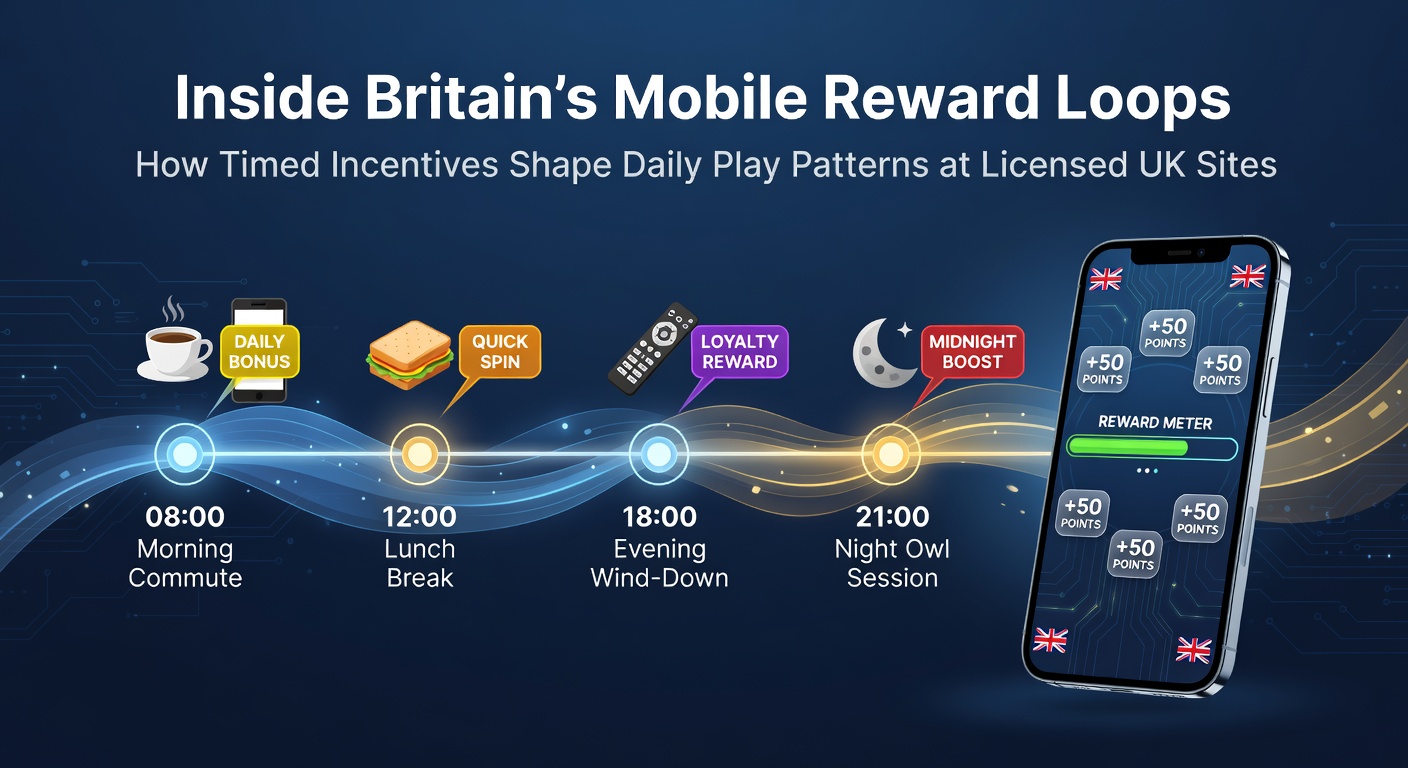
Timed incentives at licensed UK sites have developed into structured reward loops that guide when and how often players engage with mobile platforms throughout typical days, and data from multiple studies show clear spikes in session starts aligned with bonus availability windows. These mechanisms include login streaks, time-limited free spins, and hourly multipliers that reset at fixed intervals, which encourage repeated checks at predictable moments such as early commutes, midday breaks, and late evening wind-down periods. Research indicates that players often adjust their routines around these cycles rather than accessing games at random times.
Mechanics Behind the Loops
Operators structure these incentives so that rewards become available only during specific windows, which creates a feedback pattern where missing one cycle prompts quicker returns for the next, and figures from industry reports reveal that mobile sessions lasting under ten minutes frequently cluster around these reset points. A single bonus credit might unlock after a 24-hour interval, yet additional layers such as streak multipliers build across consecutive days, which extends engagement beyond single logins. Observers note that push notifications timed to coincide with these windows further tighten the loop by prompting immediate access before the opportunity expires.
Licensed sites maintain compliance with broader regulatory standards while deploying these features, and the result appears in aggregated play data that highlights elevated activity during morning and evening commute slots compared with mid-afternoon lulls. Players receive scaled rewards based on prior activity, which reinforces the habit of checking at the same hours each day.
Observed Daily Patterns Across Mobile Platforms
Analysis of session timestamps from several licensed operators shows consistent peaks between 7 adn 9 a.m. as users claim first-login bonuses before work, followed by secondary surges around 12 to 2 p.m. during lunch periods when shorter time-bound offers activate. Evening patterns emerge after 8 p.m. when cumulative streak rewards reach higher tiers, and these rhythms hold across different game types including slots and table games offered on regulated apps. What's interesting is how these cycles persist even on weekends, although the exact hours shift slightly toward later starts.
Impact on Session Frequency and Duration
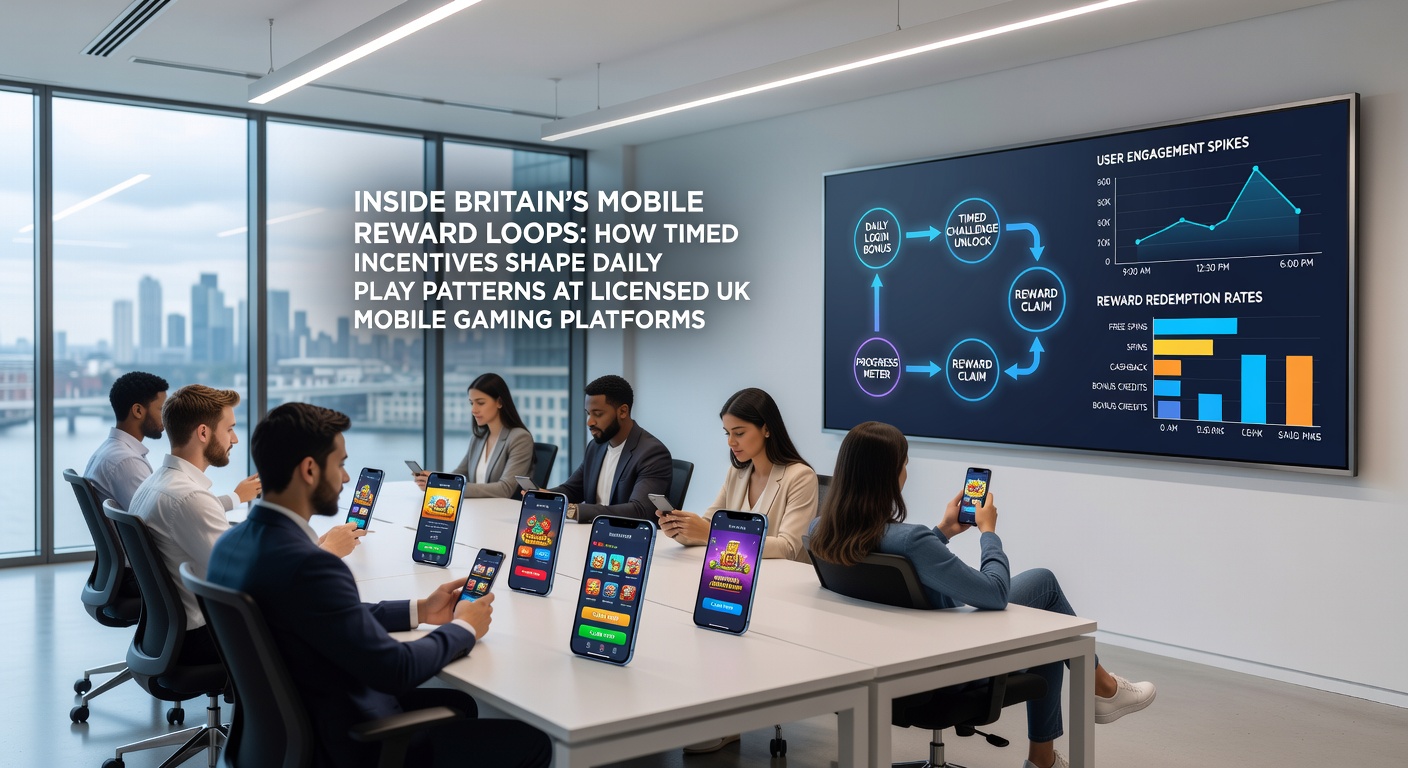
Short, repeated sessions replace longer continuous play in many cases because the incentive structure rewards quick returns rather than extended single sittings, and evidence from behavioral tracking indicates average session length has decreased while total daily logins per active account have risen over recent years. One study revealed that accounts participating in streak programs logged in 1.8 times more often than non-participants during the same calendar month. Those who've examined the data point to the role of progressive multipliers that only advance when players return within the defined window, which discourages skipping days entirely.
Regional Comparisons and Broader Context
Similar patterns appear in other jurisdictions that permit mobile gaming with timed rewards, yet the concentration of activity within narrow daily windows stands out in UK data compared with more evenly distributed play reported elsewhere. Findings shared by the Canadian Centre on Substance Use and Addiction on digital gambling behaviors highlight how reset timers can anchor engagement to specific hours regardless of location, while separate work from Australian research bodies notes comparable clustering around promotional windows in regulated apps. These parallels suggest the mechanics themselves drive the timing rather than local cultural factors alone.
As patterns continue into May 2026, operators continue refining window durations and reward values based on internal metrics, which keeps the loops responsive to observed player responses without altering the core daily rhythm. External factors such as public holidays temporarily shift the peaks, yet the underlying structure reasserts itself quickly once routines resume.
Conclusion
Timed incentives have embedded themselves into the daily fabric of mobile play at licensed UK sites by aligning reward availability with common activity periods, which produces measurable shifts in when sessions begin and how frequently accounts return. The resulting loops operate through straightforward reset mechanics and progressive layers that reward consistency, and available data confirm these effects across multiple operators and player segments. Continued monitoring by researchers and industry groups will track whether these patterns evolve further as new incentive formats appear.