Loyalty Evolves: How British Casino Operators Are Redefining Reward Structures for Mobile Players
Written by Nils Schulz · Aug 10, 2026

Loyalty Evolves: How British Casino Operators Are Redefining Reward Structures for Mobile Players
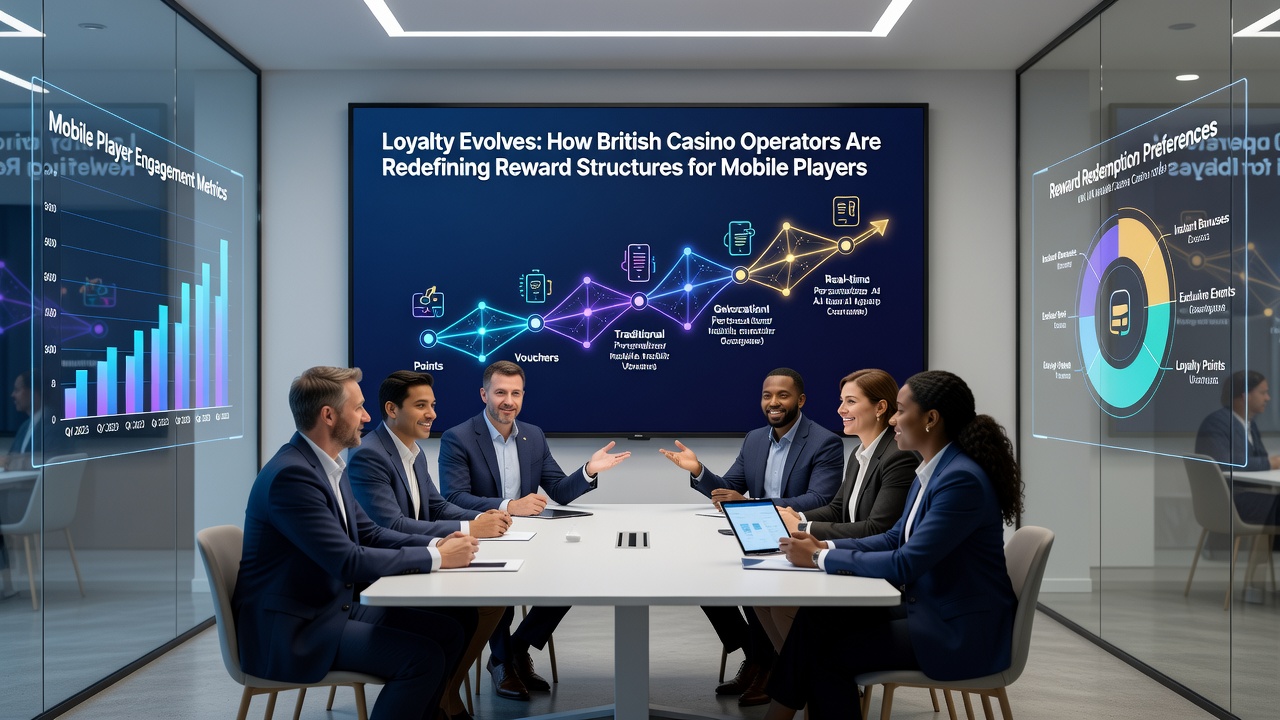
British casino operators have shifted focus toward mobile platforms in recent years and data from industry tracking services shows mobile sessions now account for over 70 percent of player activity across major sites. This transition has prompted operators to redesign loyalty structures around app usage patterns, device preferences, and real-time engagement metrics rather than traditional desktop-based play. Observers note that reward systems once centered on overall deposit volume now incorporate factors such as session frequency on mobile devices, completion of in-app challenges, and interaction with push notification campaigns.
Operators track these behaviors through proprietary analytics platforms that log swipe patterns, time spent on specific game categories, and response rates to targeted offers delivered exclusively via mobile. Research indicates that players who engage with these mobile-specific incentives demonstrate higher retention rates compared with those who receive only generic promotions. The adjustments align with broader regulatory updates that took effect in August 2026, when several operators rolled out enhanced verification steps for mobile accounts to ensure compliance with responsible gambling standards across different jurisdictions.
Mobile Data Driving Personalization
Personalization forms the core of these evolving programs because algorithms analyze thousands of data points collected from each mobile session. Casino software records details including preferred game types accessed on smartphones, average bet sizes during evening hours, and frequency of withdrawals processed through mobile banking integrations. These inputs allow systems to generate tailored reward offers that appear directly in the app interface, such as bonus credits triggered after a set number of consecutive mobile logins or free game rounds awarded for reaching mobile-specific milestones.
One operator introduced a feature in early 2026 that converts mobile gameplay streaks into points redeemable for exclusive tournament entries available only to app users. Figures from similar programs reveal that participants in these streak-based rewards complete an average of 35 percent more sessions per week than non-participants. Industry reports compiled by the Australian Gambling Research Centre highlight parallel trends in other markets where mobile-first loyalty mechanics have increased player engagement without corresponding rises in average spend per session.
Integration of App Features with Reward Delivery
App developers working with British operators have embedded reward mechanics directly into core navigation elements so players encounter incentives during normal gameplay flow. Notification systems now deliver time-sensitive offers based on location data when permitted by user settings, while in-app wallets automatically apply loyalty points to reduce transaction fees on mobile deposits. These integrations reduce friction between play and reward redemption, which studies from the Responsible Gambling Council in Canada link to improved player satisfaction scores in regulated environments.
Security protocols have also adapted to support these mobile loyalty features because operators must verify device authenticity before releasing rewards tied to specific accounts. Multi-factor authentication combined with biometric checks now serves as the standard gateway for accessing personalized offers. As of August 2026, several platforms reported processing over 500,000 mobile reward redemptions monthly, with the majority occurring through streamlined app interfaces rather than web portals.
Cross-Platform Consistency and Emerging Standards
Operators maintain consistency across devices by syncing loyalty balances in real time, yet mobile versions often include additional layers such as gesture-based challenges or augmented reality elements that unlock bonus content. Trade associations tracking these developments report that mobile-exclusive features appear in roughly 60 percent of new loyalty initiatives launched by British firms since the start of 2025. The approach allows operators to test variations quickly through app updates without disrupting desktop experiences.
University-led analyses of player behavior datasets confirm that mobile reward structures emphasizing convenience and immediacy correlate with extended play periods on tablets and smartphones. These findings build on earlier work examining digital engagement patterns and emphasize the role of seamless reward delivery in maintaining long-term account activity. Operators continue to refine these systems based on aggregated usage statistics collected across their mobile user bases.
Conclusion
British casino operators continue to adjust loyalty frameworks in response to mobile dominance and regulatory requirements that evolved through August 2026. The emphasis on data-driven personalization, app-integrated delivery mechanisms, and device-specific incentives reflects measurable shifts in how rewards reach players who prefer smartphone and tablet access. External research from multiple regions supports the observation that these adaptations influence retention metrics and session characteristics across the sector.