Mapping Adaptive Incentive Frameworks Through Analytics in Cross-Jurisdictional Gaming Loyalty Programs
Written by Nils Schulz · Aug 1, 2026
Mapping Adaptive Incentive Frameworks Through Analytics in Cross-Jurisdictional Gaming Loyalty Programs
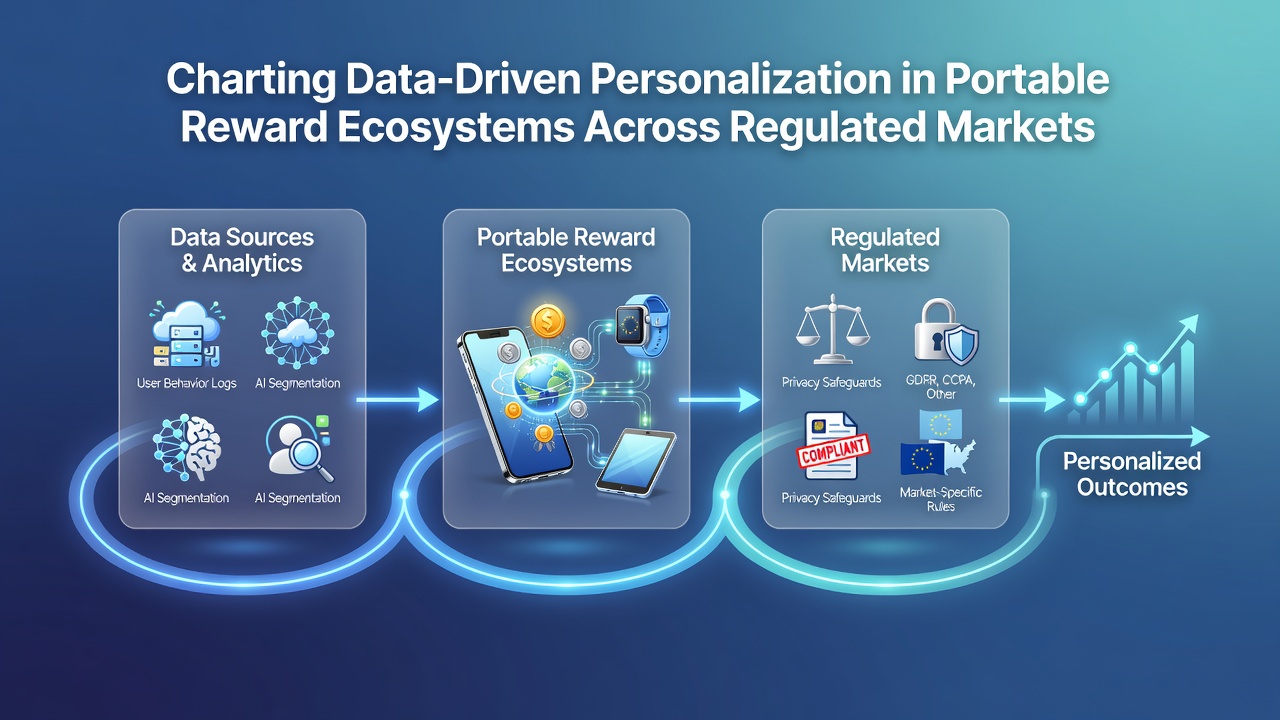
Regulated markets around the world continue to integrate advanced analytics into loyalty structures that allow players to carry rewards between platforms and regions while operators maintain strict compliance standards. Data from sources such as the Nevada Gaming Control Board shows that jurisdictions have expanded their use of player tracking systems since early 2025, and similar patterns appear in Canadian provincial frameworks where operators link mobile applications to centralized reward databases. These systems rely on anonymized behavioral metrics to adjust offer types, timing, and value without violating local advertising rules or responsible gaming requirements.
Core Components of Portable Reward Architectures
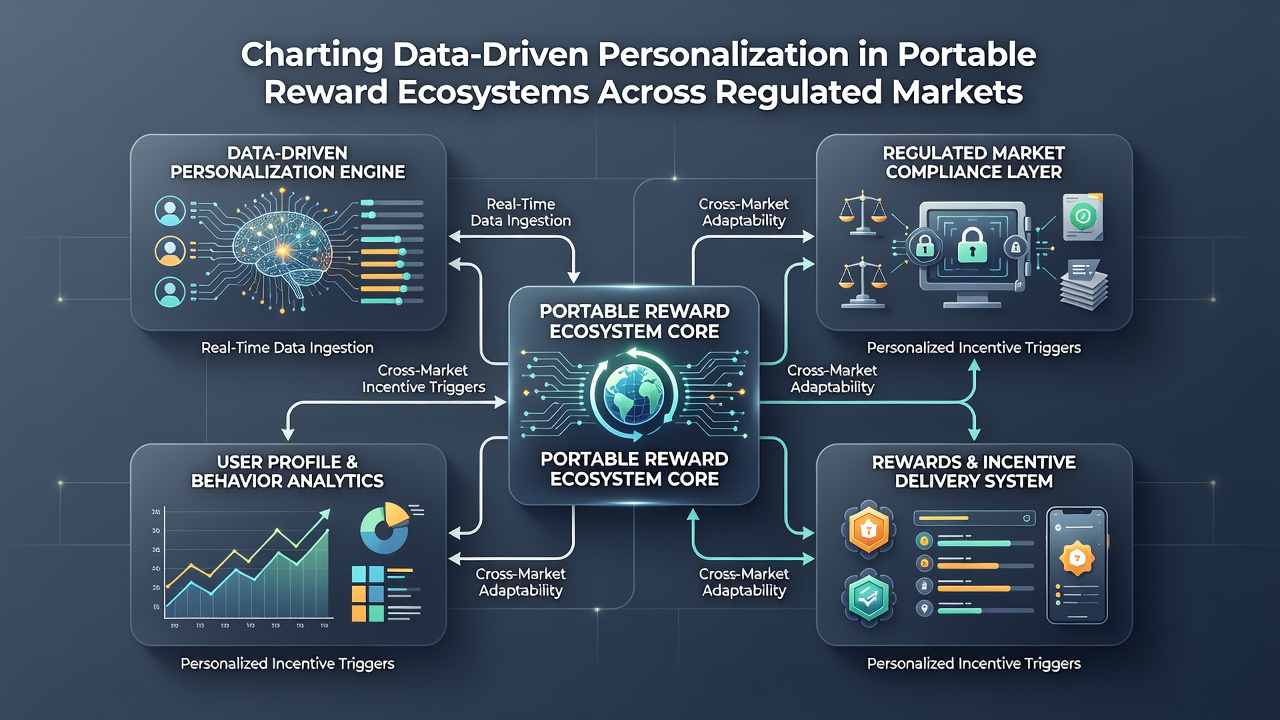
Portable ecosystems combine several technical layers that enable seamless movement of points, credits, and tier status across licensed operators. Real-time data pipelines pull from game logs, deposit histories, and session durations, then feed into machine learning models that generate individualized recommendations. Observers note that European operators participating in the European Gaming and Betting Association have tested shared ledgers since late 2025, allowing a player who reaches a certain activity threshold in one country to unlock equivalent benefits in another participating market without creating new accounts.
Security protocols remain central because regulators demand full audit trails for every reward transfer. Encryption standards applied at the database level prevent unauthorized access, while consent management tools let users decide which data points operators may share. Figures from industry reports indicate that participation rates in these shared systems climbed steadily through spring 2026 as more jurisdictions aligned their technical specifications.
Regulatory Variations Across Key Regions
Different licensing bodies impose distinct constraints on how personalization algorithms may operate. Australian state regulators, for instance, require operators to publish clear explanations of how reward offers are calculated, whereas several U.S. tribal gaming authorities focus on ensuring that cross-property redemptions do not bypass tribal exclusivity agreements. In both cases, the emphasis stays on transparency rather than restricting the underlying data methods themselves.
August 2026 saw the rollout of updated interoperability guidelines in two Canadian provinces that previously operated separate loyalty databases; the change permits limited point portability between land-based and online channels under a single regulatory umbrella. Compliance teams at participating operators have since reported shorter approval cycles for new promotional campaigns because the shared data standards reduce the need for repeated manual reviews.
Implementation Patterns Observed in Live Operations
Operators that adopted unified player profiles early on discovered they could reduce duplicate marketing spend while still meeting regional disclosure rules. One European operator group that linked its Mediterranean and Nordic properties found that players who transferred tier status between sites showed higher retention over six-month periods compared with single-site users. The same group noted that predictive models trained on aggregated data improved the timing of reload offers without increasing overall bonus volume.
Academic researchers at the University of Nevada, Reno published findings in mid-2026 that examined how machine learning segmentation affects player engagement across state lines. Their dataset covered several U.S. jurisdictions and demonstrated that clusters based on session length and game preference produced more accurate offer personalization than traditional demographic groupings alone. Those results have since circulated among compliance officers seeking to refine internal policies ahead of anticipated rule updates.
Technical Challenges and Current Solutions
Latency during cross-border reward transfers remains a practical hurdle because different time zones and peak traffic periods can delay ledger updates. Teams have addressed this by deploying edge computing nodes that cache recent player activity and reconcile with the central system during off-peak windows. Testing conducted by a North American technology provider showed that reconciliation windows under four hours maintained acceptable accuracy for most reward types while satisfying audit requirements.
Data privacy tools continue to evolve in tandem with these architectures. Differential privacy techniques now appear in several production environments, adding calibrated noise to individual records before they enter the personalization engine. Regulators in multiple regions have signaled acceptance of these methods provided operators can still demonstrate that aggregate reports remain statistically reliable.
Conclusion
Portable reward ecosystems built on data-driven personalization continue to expand as more regulated markets adopt compatible technical and legal frameworks. Operators that align their analytics infrastructure with regional requirements while preserving user consent mechanisms position themselves to operate across borders without duplicating compliance overhead. Ongoing refinements in encryption, consent tooling, and model explainability suggest that the pace of integration will remain steady through the remainder of 2026 and beyond.