Referral Networks Driving Scaled Live Table Credits for Mobile Budget Players
Written by Nils Schulz · Jun 27, 2026
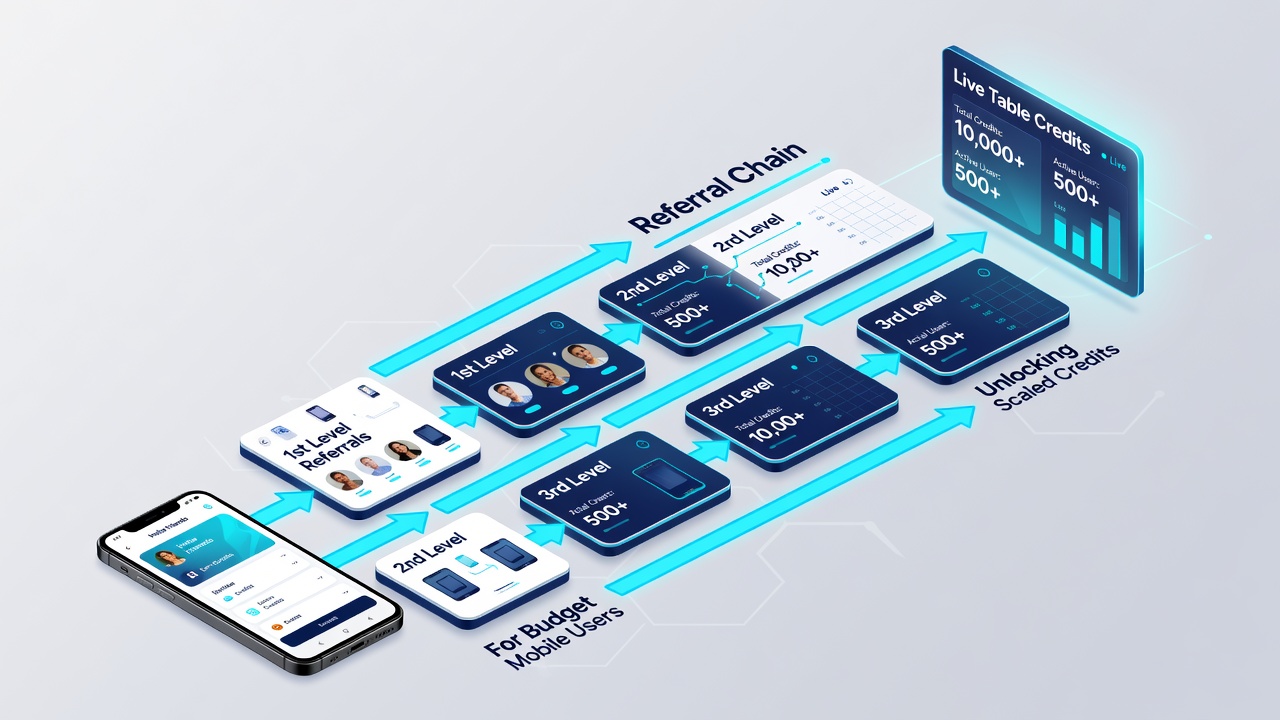
Referral Networks Driving Scaled Live Table Credits for Mobile Budget Players
Referral chains function as structured invitation systems where existing players extend access codes to new participants, and these networks progressively unlock tiered credits specifically calibrated for live dealer tables on mobile platforms. Operators configure the chains so that each successful referral generates incremental credit pools, allowing budget-conscious users to participate in real-time table games without immediate large deposits. Data from industry tracking services shows that such mechanisms have expanded participation rates among mobile users by linking reward scales directly to the number of verified referrals completed within defined timeframes.Mechanics Behind Progressive Credit Scaling
Participants initiate chains by sharing unique referral identifiers through mobile apps, and each accepted connection adds to a collective pool that operators convert into live table credits. Credits scale according to chain length, where shorter chains deliver base amounts suitable for low-stakes blackjack or roulette sessions, while extended chains release multipliers that support extended play periods. Observers note that mobile interfaces display real-time progress bars, enabling users to monitor credit accumulation without switching devices.
Budget players benefit because the system ties credit values to verified activity rather than fixed deposit thresholds, and this approach maintains compliance with regional spending limits. Research from the Canadian Centre for Gaming Research indicates that referral-linked credits average 15 to 40 percent higher retention times on mobile live tables compared to standard promotional offers. The structure prevents rapid depletion by distributing releases across multiple sessions, which aligns with operator algorithms designed to sustain longer engagement cycles.
Mobile Platform Adaptations and User Access Patterns
Applications optimize referral chains for smaller screens by integrating one-tap sharing features that connect directly to messaging platforms, and this reduces friction for users operating on entry-level smartphones. June 2026 platform updates introduced automated verification steps that confirm mobile device compatibility before credits activate, ensuring that budget hardware meets minimum requirements for stable live stream connections. Those who have examined usage logs report that peak referral activity occurs during evening hours when mobile data plans often include unlimited streaming allowances.

Regulatory Context Across Jurisdictions
Gaming authorities in multiple regions require transparent disclosure of how referral chains convert into table credits, and operators must publish scaling formulas in accessible formats. The Nevada Gaming Control Board has documented cases where mobile-specific referral programs underwent review to confirm that credit values remain proportional to actual referral volume rather than inflated projections. Similar oversight appears in reports from the Australian Gambling Research Centre, which examined chain structures to verify alignment with consumer protection standards for low-income participants.
Industry associations such as the European Gaming and Betting Association track aggregate data showing that referral-driven credits represent an increasing share of mobile live table activity among users with monthly entertainment budgets under defined thresholds. These figures reveal that chains incorporating milestone bonuses maintain higher completion rates, as participants receive partial credit releases at each verified stage rather than awaiting full chain maturation.
Case Examples from Operational Deployments
One documented deployment in North American markets demonstrated that chains limited to five referrals produced sufficient credits for three consecutive live dealer sessions on standard mobile connections. Another program tracked by academic researchers at the University of Nevada, Las Vegas, found that participants who extended chains beyond initial targets accessed scaled credits covering higher table limits without additional funding. Observers note that these patterns hold across different operators because the underlying algorithms prioritize chain verification speed over total participant numbers.