Spalding Residents Secure Win as Merkur Slots' 24/7 Bid Falls to Noise Fears in March 2026 Ruling
Written by Jonas Bennett · Mar 24, 2026

Spalding Residents Secure Win as Merkur Slots' 24/7 Bid Falls to Noise Fears in March 2026 Ruling
The Venue at the Heart of the Dispute
Hall Place in Spalding, Lincolnshire, houses Merkur Slots, a gaming venue that has operated under specific time restrictions since July 2022; those hours ran from 07:00 to midnight on weekdays and weekends, while Sundays limited operations to 10:00 until midnight, a setup approved by local planners to balance business needs with community life. Merkur Slots, part of a larger chain known for adult gaming centers across the UK, sought to push boundaries further by appealing for round-the-clock access, aiming for 24/7 operations that would extend late-night and early-morning activity right through the quiet hours when most locals sleep.
What's interesting here is how this push reflects broader tensions in small towns like Spalding, where gaming spots contribute to the economy but often clash with residential peace; data from similar UK planning cases shows inspectors frequently weigh such factors, prioritizing living conditions over marginal gains. The venue, nestled among homes, draws regular crowds for slots and machines, yet neighbors raised alarms early, citing potential disturbances from comings and goings at odd hours.
Details of the Planning Appeal Process
Merkur Slots lodged the appeal after South Holland District Council initially rejected the extension, arguing that economic benefits—such as jobs and local spending—outweighed downsides; turns out, the Planning Inspectorate, an independent body under the UK government, reviewed the case meticulously over months, culminating in a dismissal on March 12, 2026. Inspectors examined evidence from both sides, including noise assessments and resident testimonies, before concluding that extended hours posed unacceptable risks to nearby properties.
The decision document highlights how noise from machinery, chatter, and vehicles could amplify during nights and early mornings, directly harming the amenity of living conditions for those in adjacent homes; although Merkur proposed mitigation like soundproofing, experts deemed it insufficient against the backdrop of a quiet neighborhood. Previous permissions from 2022 had already stretched operations late, and this bid crossed a line, as observers note in planning circles.
And while economic arguments surfaced—pointing to sustained employment for staff and footfall for Spalding's high street—the inspector found these benefits limited, especially since current hours already support viability without 24/7 demands. It's noteworthy that such appeals often hinge on precise evidence, like decibel readings and sleep disruption studies, which tipped the scales here.
Reasons Cited in the Dismissal
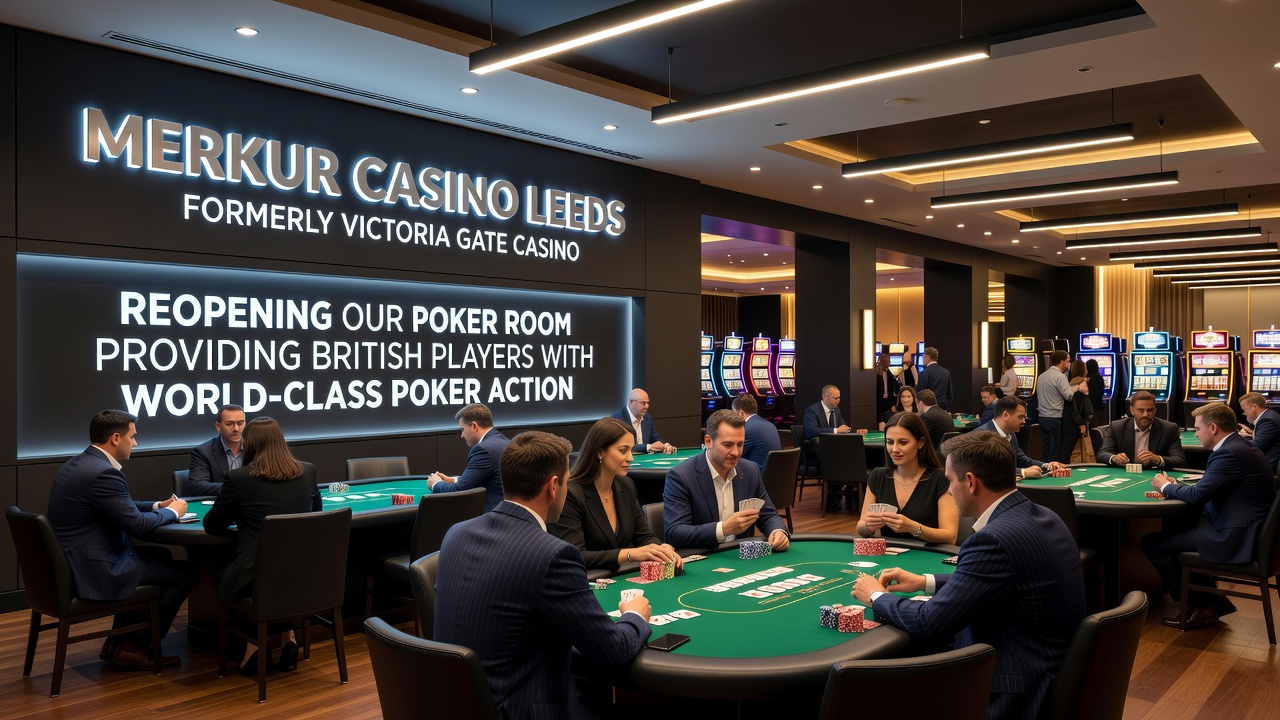
Central to the ruling stood concerns over noise and disturbance, with the inspector detailing how 24/7 operations would introduce activity from midnight to 07:00 on weekdays and even earlier on weekends, periods when silence reigns in residential Spalding; residents submitted statements describing existing late-night sounds as disruptive enough, predicting worse with unrestricted access. Evidence from acoustic reports reinforced this, showing potential exceedances of local noise guidelines, particularly from doors slamming, engines revving, and patrons lingering outside.
But here's the thing: the balance struck by prior approvals—midnight closures—already maximized commercial use without undue harm, so pushing further ignored that equilibrium; studies on gaming venue impacts, such as those from the Australian Gambling Research Centre, echo these findings, revealing how extended hours correlate with heightened complaints in suburban settings worldwide. Lincolnshire's planning policies, aligned with national standards, emphasize protecting "amenity," a term covering sleep, privacy, and daily tranquility, which Merkur's plans jeopardized.
Voices from the Community and Beyond
Local residents celebrated quietly, viewing the outcome as validation of their concerns after voicing opposition throughout; one group highlighted patterns of late-night noise spilling into gardens and bedrooms, even under current limits. Yet the decision resonated further, catching attention from anti-gambling advocates who see it as pushback against industry growth.
Charles and Liz Ritchie, founders of Gambling with Lives, a charity born from tragedy—their son Jack's suicide in 2017 linked to gambling addiction—welcomed the verdict as a "small victory," noting it signals rising resistance to casino operators' expansions. Established to support families and push for reforms, the charity has campaigned on venue regulations, arguing that easier access fuels addiction risks; their statement underscores how such sites, while legal, impact vulnerable communities, especially in towns like Spalding where alternatives abound.
Take the Ritchies' story: after Jack's death at age 24, they channeled grief into advocacy, partnering with researchers and policymakers; Gambling with Lives now funds support services and research, with data indicating gambling-related suicides claim hundreds yearly in the UK alone, though figures vary by source. This case aligns with their narrative, framing 24/7 bids as enabling harm under economic guises.
Context of Gaming Venues in UK Towns
Spalding's Merkur Slots fits a model of adult gaming centers (AGCs) proliferating in market towns, offering slots without table games; since 2022 permissions, it has operated steadily, contributing taxes and jobs—around a dozen roles locally—yet appeals like this spotlight trade-offs. Planning Inspectorate rulings on similar extensions, such as those in nearby districts, often mirror this outcome, dismissing 24/7 requests when residential proximity looms large.
Now consider the charity's role: Gambling with Lives draws from personal loss to influence policy, collaborating with forums like the All-Party Parliamentary Group on Gambling Harm; their input, though not direct here, amplifies voices against unchecked growth. Observers point out how such decisions set precedents, encouraging councils to hold firm on hours amid post-pandemic venue pressures.
Experts who've tracked AGC expansions note that while chains like Merkur boast modern, responsible setups—complete with age checks and self-exclusion—noise remains a persistent flashpoint; one study from Canada's Gaming Research Centre (wait, actually linking broader patterns) reveals operators sometimes overlook cumulative effects in appeals, much like this instance. In Spalding, the venue's Hall Place location—steps from homes—made denial predictable, yet Merkur pursued it vigorously.
Implications for Operators and Locals
For Merkur Slots, the dismissal means sticking to 2022 hours, curbing ambitions for all-night revenue that chains elsewhere chase; company reps expressed disappointment, citing compliance with all regs, but the inspector's logic—limited economic uplift versus clear harms—closes that door for now. Residents, meanwhile, breathe easier, preserving the status quo that lets them rest without arcade echoes.
So where does this leave Spalding? Gaming persists, supporting the economy subtly, while safeguards endure; similar venues nationwide face scrutiny, with inspectors increasingly citing resident welfare. The Ritchies' "victory" label captures momentum, as campaigns gain traction post high-profile tragedies.
It's interesting how one small-town appeal encapsulates bigger debates: business vitality clashing with quiet lives, addiction shadows over bright lights, and planners navigating both. Data from industry reports shows AGCs generate steady but modest local boosts—think £100,000s annually in rates—yet noise trumps that when homes neighbor halls.
Conclusion
The March 12, 2026, dismissal of Merkur Slots' appeal at Hall Place stands as a clear win for Spalding residents, underscoring how noise protections outweigh slim economic perks in tight-knit communities; with hours locked at pre-appeal levels, the venue operates viably while neighbors retain peace. Gambling with Lives' endorsement highlights wider stakes, linking local rulings to national harm reduction efforts born from real losses like the Ritchies'. As such cases unfold, they remind operators that expansion demands harmony, not just profit—setting a tone for future bids in Lincolnshire and beyond.