Technical Frameworks Powering Real-Time Credit Pushes in Handheld Live Gaming Apps
Written by Blake Vogel · Aug 6, 2026
Technical Frameworks Powering Real-Time Credit Pushes in Handheld Live Gaming Apps
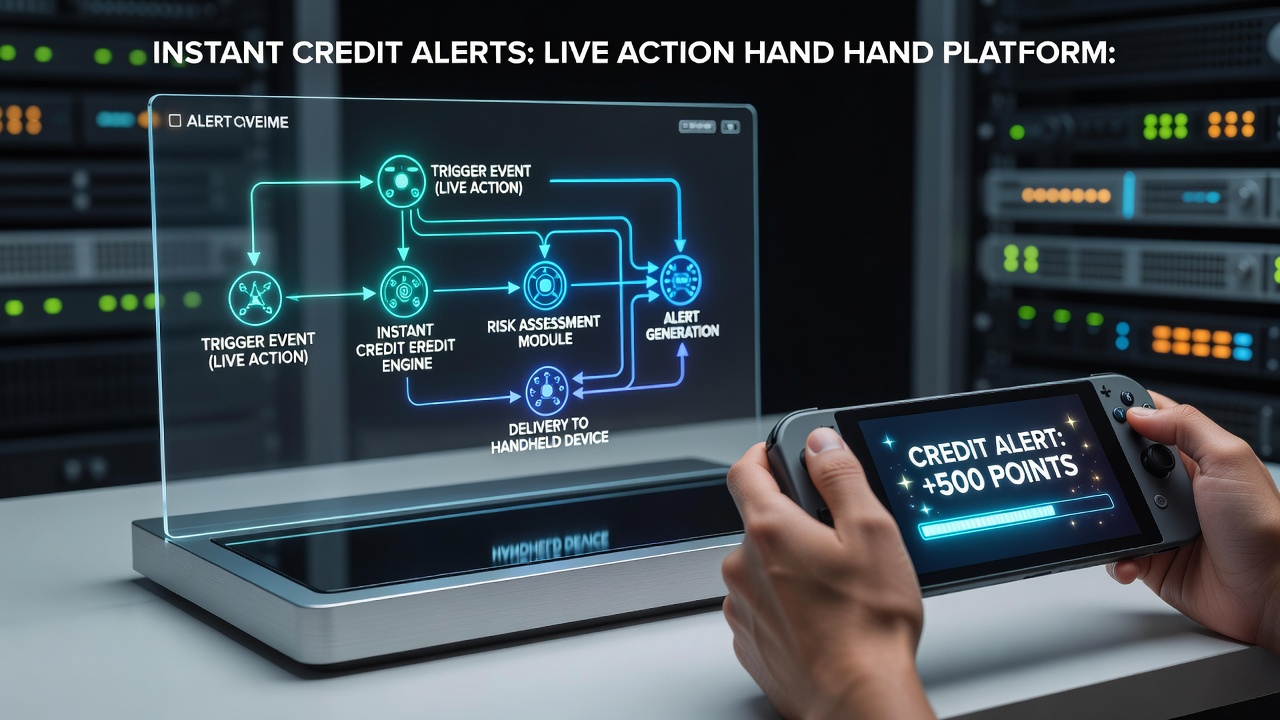
Developers have engineered notification systems that connect backend servers directly to mobile operating systems so credits appear within seconds during live dealer sessions on handheld devices, and these setups rely on push notification protocols combined with secure API calls that verify player accounts before releasing funds. Systems process transaction data in real time through encrypted channels while the game continues without interruption, which allows users to receive alerts about added balances or free rounds as events unfold on screen.
Core Components of Alert Delivery Systems
Backend databases track live game outcomes and player activity through continuous data streams, then trigger credit releases when predefined conditions such as deposit matches or loyalty milestones get met. Mobile apps integrate with device-level notification services from iOS and Android platforms to display these updates instantly, and observers note that this integration uses token-based authentication to confirm user identity without requiring additional logins during active play sessions.
Research from the Interactive Games and Entertainment Association indicates that optimized server clusters can handle thousands of simultaneous alerts across global networks, and companies deploy load-balancing techniques to prevent delays during peak hours. What's interesting is how these architectures separate game logic from financial processing so one component handles card draws and bets while another manages credit allocation independently.
Security Measures and Compliance Protocols
Encryption standards protect data packets traveling between casino servers and handheld devices, whereas tokenization replaces sensitive account details during transmission to reduce exposure risks. Developers incorporate multi-factor verification steps within the alert workflow itself, and this approach ensures credits reach only the intended recipient even on shared networks. Data from the European Gaming and Betting Association shows that platforms updated their security layers in August 2026 to address emerging mobile threat vectors, which included enhanced certificate pinning and runtime application self-protection tools.
Integration with Live Dealer Platforms
Live streaming feeds run parallel to the notification layer so players see dealer actions and receive credit confirmations without switching apps or losing connection quality. Software bridges link the streaming server to the payment gateway through event listeners that fire when a qualifying action occurs, such as a completed round or a bonus trigger. People who manage these platforms often report that synchronization relies on timestamp matching to align visual game events with financial updates down to teh millisecond level.

User Experience Flow and Device Optimization
Alerts arrive as banner notifications or in-app pop-ups depending on user settings, and the system adjusts display priority based on whether the player is actively engaged in a hand or observing between rounds. Developers test these flows across various screen sizes and network conditions to maintain consistent performance, whereas older devices receive fallback mechanisms that queue alerts until connectivity stabilizes. Studies conducted by university researchers have examined how reduced latency in these alerts correlates with longer session durations on handheld platforms, and findings reveal measurable differences when processing times drop below two seconds.
Platform updates in recent years introduced background refresh capabilities that keep credit balances synchronized even when the app runs minimized, and this feature proves useful for users who toggle between live tables and other applications. Observers note that battery and data usage remain controlled through efficient polling intervals rather than constant connections, which helps sustain performance across extended play periods.
Challenges in Scaling Real-Time Systems
Network variability across regions creates occasional hiccups in alert delivery, yet engineers counter these issues with redundant pathways that reroute traffic automatically when primary channels experience congestion. High-volume events such as tournament finales test the limits of current infrastructure, and companies respond by pre-allocating additional server resources in anticipation of surges. Reports from industry monitoring groups highlight that successful scaling depends on predictive analytics models trained on historical traffic patterns, and these models forecast demand several hours ahead to allocate capacity accordingly.
Conclusion
The mechanics behind instant credit alerts combine secure data pipelines, device-native notification services, and synchronized live game engines to deliver seamless experiences on handheld platforms. Continued refinements in encryption, load management, and cross-device compatibility keep these systems responsive as player volumes grow and technology evolves.