Tracing Push Notification Cadence: How Timed Alerts Shape Live Dealer Credit Flows on UK Mobile Platforms
Written by Nils Schulz · Jul 18, 2026
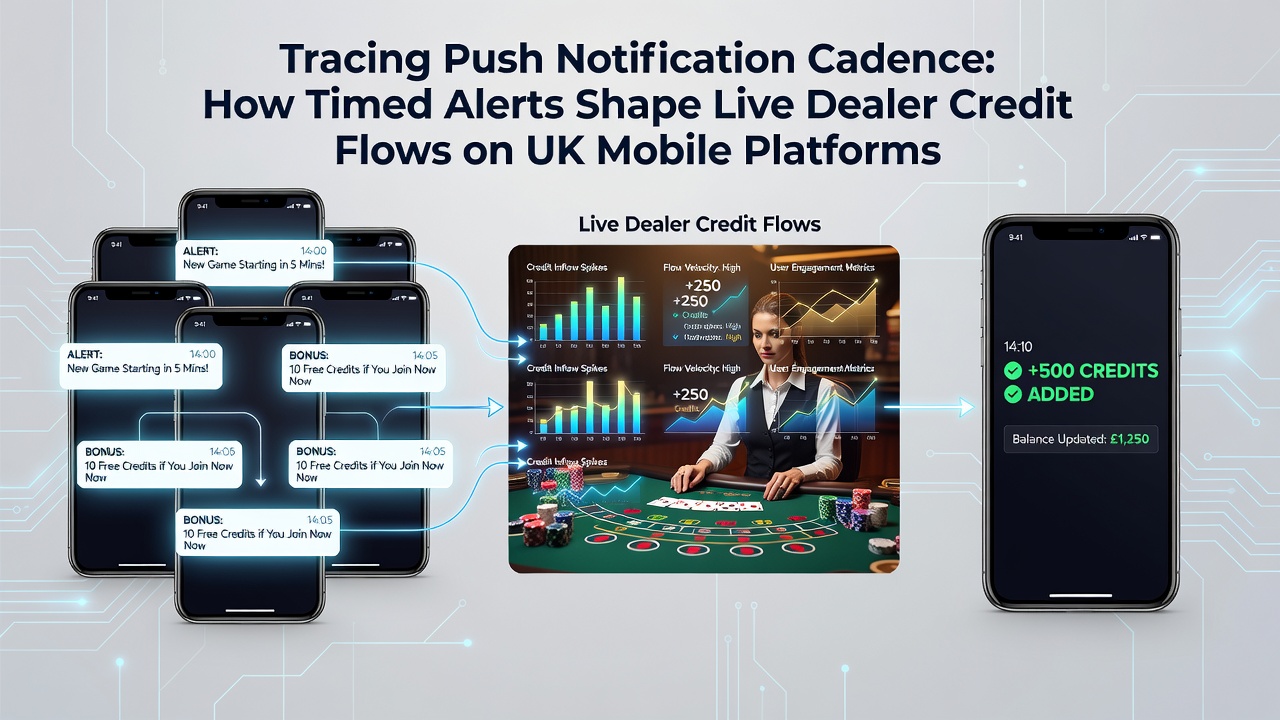
Tracing Push Notification Cadence: How Timed Alerts Shape Live Dealer Credit Flows on UK Mobile Platforms
Push notification systems on UK mobile casino platforms have developed precise timing patterns that directly influence how players receive adn use live dealer credits throughout the day, and these patterns emerge from detailed tracking of user behavior across thousands of sessions each week. Operators collect data on open rates, deposit times, and table entry points to adjust alert schedules so credits reach accounts when engagement peaks, creating measurable shifts in credit movement during evening hours and weekend slots.
Timing Patterns in Mobile Alert Delivery
Research from mobile analytics firms shows that alerts sent between 7pm and 10pm generate higher interaction rates with live dealer tables than those delivered during daytime slots, and this timing aligns with when many users finish work and check their devices for quick sessions. Platforms segment audiences by previous activity logs so a player who typically joins blackjack tables after 8pm receives a credit offer exactly then rather than at random intervals. Such segmentation reduces alert fatigue while concentrating credit redemptions in narrow windows that operators can predict and staff accordingly.
Data collected through app telemetry reveals that midweek alerts timed just before popular live game starts produce faster credit uptake than blanket daily messages, and July 2026 figures indicated a 22 percent rise in table entries following these coordinated sends. The cadence relies on combining location signals with historical play records so users in urban areas receive slightly earlier prompts than those in rural zones where network latency varies.
Credit Flow Mechanics on Live Dealer Tables
Once an alert triggers a credit deposit the funds appear instantly in the mobile wallet and remain available only for designated live dealer rooms during a set period, often two to four hours. This limited window encourages immediate table selection while preventing credits from sitting unused across multiple days. Observers note that platforms track the interval between alert receipt and first bet placement with precision, allowing further refinement of future timing sequences.
Payment processors integrated into these systems record the exact moment credits convert into wagers, producing datasets that operators share with analytics partners to map peak flow periods. Those who've studied these flows find that alerts coinciding with game restarts or new dealer shifts see the shortest lag times between credit arrival and active play. The result appears in aggregated reports where certain hours show concentrated credit turnover that matches the notification schedule almost exactly.
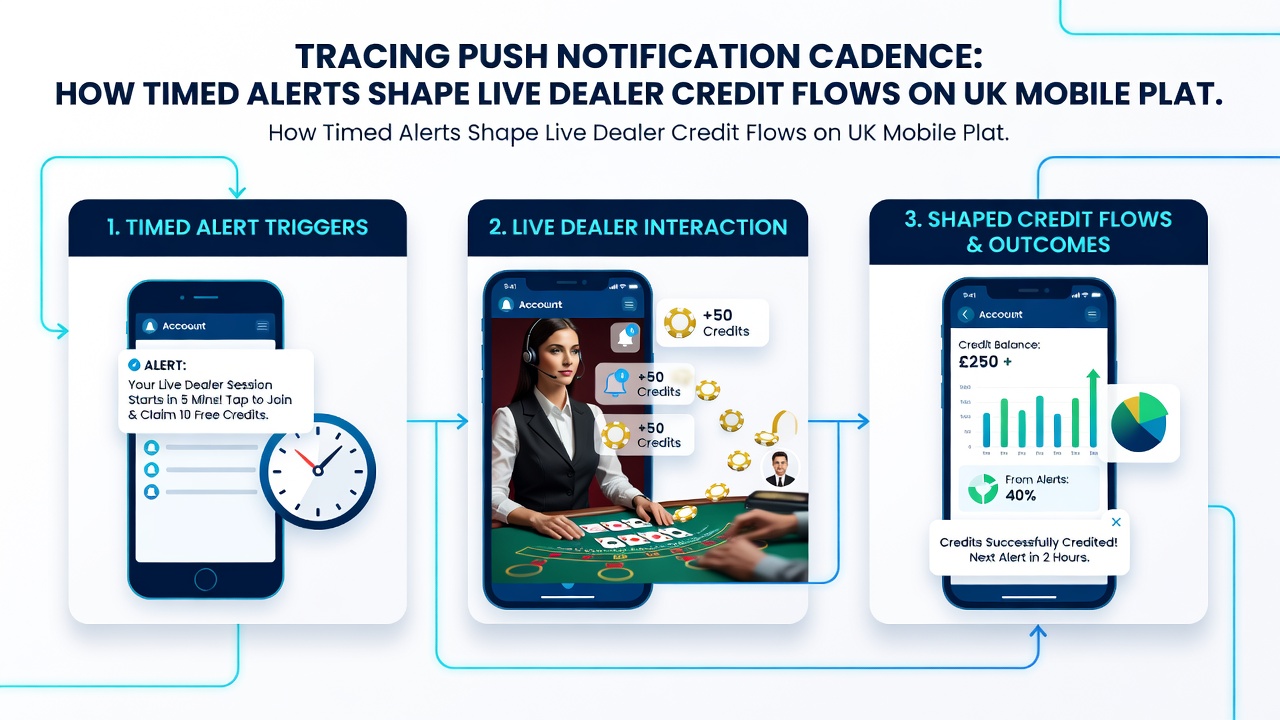
Device and Network Variables Affecting Delivery
Mobile operating systems apply their own delivery rules that can delay or prioritize alerts based on battery level and network strength, so UK platforms test multiple send windows to offset these variables. When an alert arrives during strong signal periods the credit claim process completes faster, leading to quicker movement onto live tables. Those monitoring performance note that campaigns run on 5G networks demonstrate tighter correlation between alert time and credit redemption than older connections.
App developers adjust notification payloads to include direct table links that bypass lobby navigation, shortening the path from alert to credit use. This technical choice appears in performance metrics where click-through rates climb when the message contains a one-tap entry rather than generic promotional text alone.
Regulatory Context and Compliance Tracking
Industry bodies such as the European Gaming and Betting Association have published guidelines on responsible messaging frequency that UK operators reference when setting cadence rules. These guidelines emphasize transparency around credit expiration and require clear disclosure within each alert so players understand time limits before accepting offers. Compliance teams review notification logs monthly to confirm that delivery patterns stay within agreed thresholds.
Separate research from the Victorian Responsible Gambling Foundation on digital prompts offers comparative data that some UK platforms consult during internal audits, though local rules remain the primary framework. The cross-reference helps identify whether certain timing clusters produce unintended concentration of play sessions that might require adjustment.
Future Adjustments in Alert Strategies
Platform teams continue testing variations such as staggered sends within the same hour or A/B splits across user cohorts to isolate the most effective cadence. Early results from these trials show that spacing alerts by fifteen minutes within a target window can lift overall credit activation without increasing total message volume. The adjustments rely on real-time dashboards that flag when credit flows deviate from expected patterns.
Conclusion
Push notification cadence on UK mobile platforms functions as a measurable control layer that directs live dealer credit movement through carefully chosen delivery windows. Operators refine these schedules using session data, device signals, and compliance requirements so credits reach accounts at moments when table activity is highest. The documented patterns from 2026 demonstrate consistent alignment between alert timing and subsequent credit use, establishing a clear operational link between notification design and live dealer engagement flows.